

By Rachel Sumner
In the autumn, on the advice of a colleague from our Research and Innovation team at Cardiff Met, I applied for a scheme I’d never heard about before: The Royal Society Pairing Scheme. The scheme is aimed at pairing academics with policymakers so that the connections between policy and academic research can be strengthened, and so individuals in both sectors can learn more about each other’s worlds. I didn’t anticipate getting through to be selected as there are only 30 spaces per year and over 300 applicants to the 2024 scheme, but seeing as our research with the CV19 Heroes Project has been geared around influencing policy, and with gentle encouragement from Chloe, I thought it would be worth a shot.
In the scheme, scientists can be paired with MPs, Peers, or Civil Servants, so I was anticipating being paired with my local MP. I found out in January that I had been shortlisted, and then in February that I had been successful and had been paired with a Civil Servant in the Ministry of Housing, Communities, and Local Government who is currently the head of strategy and analysis for that ministry’s part of the UK Covid Inquiry. This pairing was even better than I had expected as there was the potential here for me to work with someone who could not only use the findings from our research but also give me a steer on what policymakers would find interesting for us to research as the project entered its fifth year of data collection.
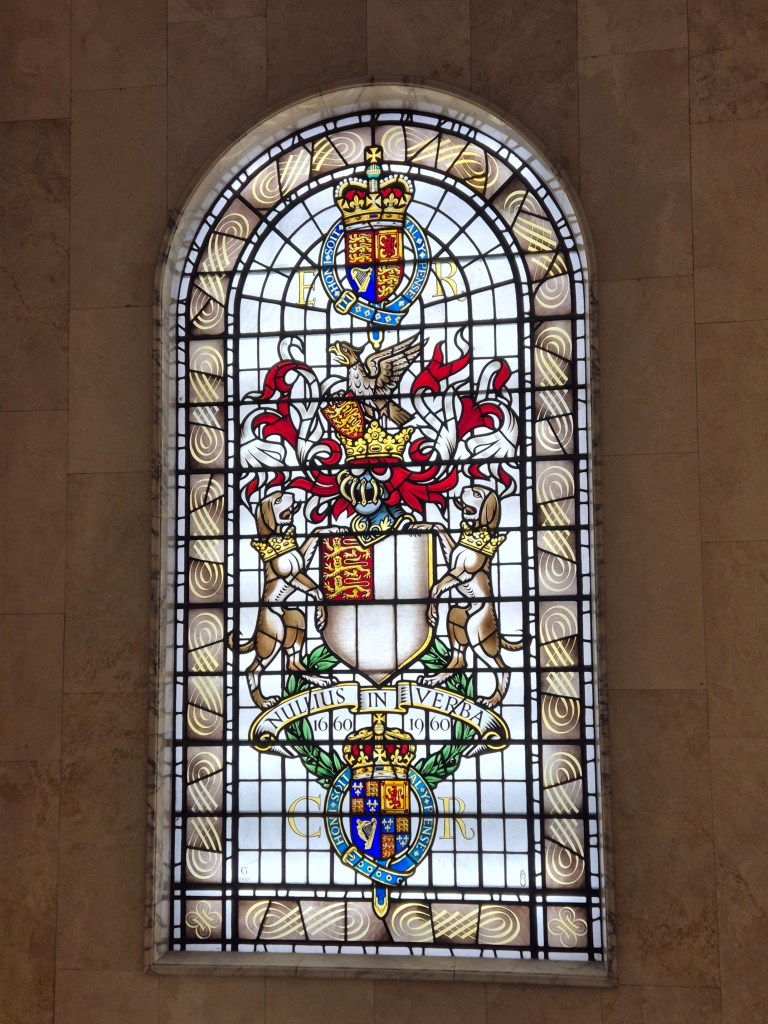
As part of the scheme, I was lucky enough to be put up in a very nice hotel on The Strand, just a short walk from The Royal Society headquarters off The Mall, where we all gathered on the first day to hear talks from various members of The Society, and receive a tour of their library. In the library tour, we were shown the registration book of The Society that dates back to when it was first established in 1660, including the signatures of Fellows such as Charles Darwin and Stephen Hawking. The week’s programme was developed by the Royal Society, who have been running this scheme since 2001, in partnership with the Government Office for Science. It included talks from a variety of speakers from The Royal Society, the Institute for Government, Department for Science, Innovation, and Technology, House of Lords, and the Parliamentary Office for Science and Technology. We also had a tour of the Palace of Westminster and an evening reception at the House of Lords to round off the week’s activities.
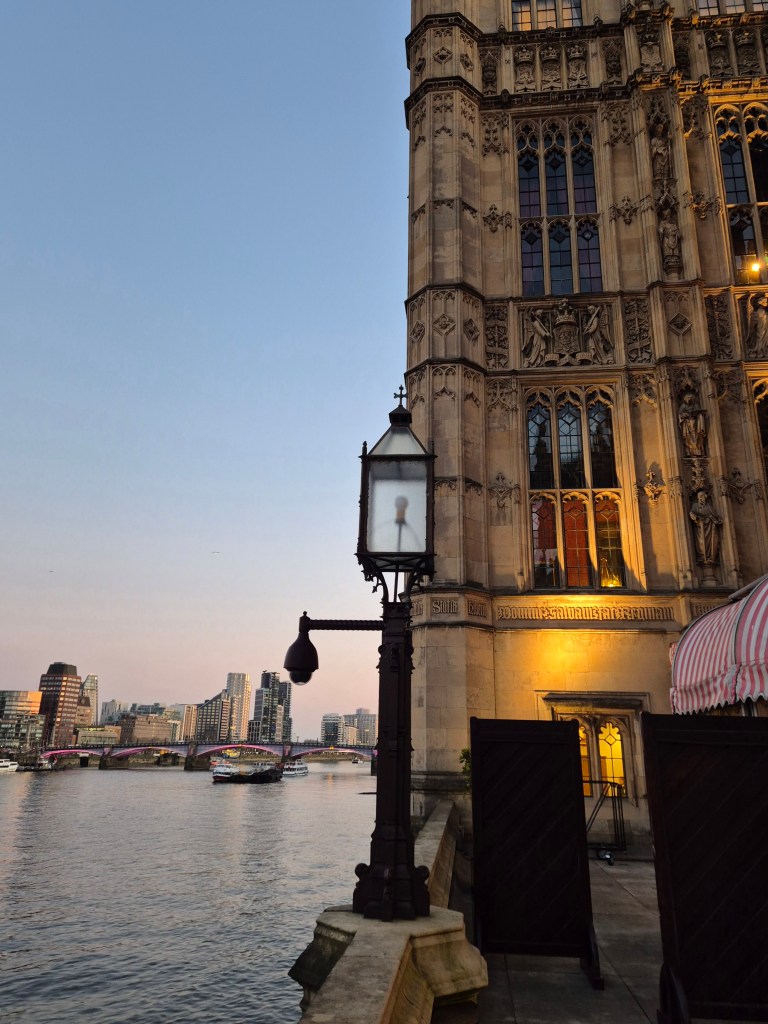
By far my favourite activity, however, was the day I was able to spend with my Civil Servant pair in the Home Office building in Westminster. My pair set up a full itinerary of meetings that day, introducing me to her team and to parallel teams in other departments such as colleagues in the Department for Health and Social Care. I gave a presentation about our project and discussed our findings with several teams of civil servants who asked me some pretty tough but interesting questions about our data and gave me some great ideas of where to go with it in the future. I was also lucky enough to have a personal meeting with the Ministry’s Chief Scientific Advisor. In honesty, this was probably the more terrifying of the meetings from the week, but it turned out to be incredibly informative and useful. As a result, I’ve also been asked to deliver a seminar to the Chief Scientific Adivsors’ office over the summer – more terror, but an amazing opportunity. I learned more in that day about the way that these teams work and the potential routes to supporting them through academic research than I ever thought it would. It was a really positive end to an intense but enjoyable week.
As part of the programme, I will be arranging a reciprocal visit for my Civil Servant pair to join me at Cardiff Met over the summer, where I hope to give her an overview of all of the great work that colleagues in CAWR have been doing related to the pandemic and beyond. I may even be able to update her with some preliminary findings of our 5 Year Survey as well.
You can read more about the scheme here: Pairing scheme | Royal Society
 CV19 Heroes Project